Hymns have been the soundtrack of Nigerian Christian life for well over a century. They arrived with the first missionaries, were translated into local tongues, and gave birth to indigenous hymnody. Here’s a look at how that journey unfolded.
Missionaries, Hymnals and the First Church Music in Nigeria
Protestant missionaries showed up in the 19th century, and early mission churches kicked off congregational singing, usually in English, with simple and straightforward tunes. As time went on, schools run by these mission churches also started using hymns during daily gatherings and moral lessons, making hymn singing a staple in everyday life.
Translation: Making Hymns Speak Local Languages
A major shift happened when missionaries and local church leaders started translating hymns into Yoruba, Igbo, Hausa, and other Nigerian languages. This translation made worship feel a lot more relatable because the same theological messages now had the rhythm and cultural vibe of local speech. Soon enough, congregations were singing familiar hymns in their local languages, both in rural and urban churches.
From Translations to Indigenous Hymn-Writing
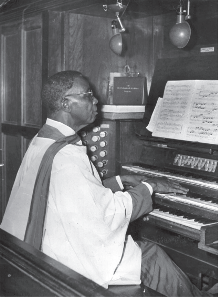
By the mid-20th century, Nigerians weren’t just translating hymns; they were getting creative and writing their own. Composers like Thomas Ekundayo Phillips stand out as early pioneers who mixed Western church styles with Nigerian musical vibes, creating church music that felt homegrown while still keeping its religious meaning.
Over the years, these songs became just as popular as the classic English hymns, sung not only in churches but also in schools, and at home.
Read: How Hymns Began: The Untold Story About Christian Worship Music
The Choir Culture
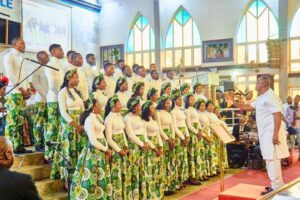
As Nigeria urbanized, church choirs matured into a central cultural institution. Large mission churches and later Pentecostal fellowships developed robust choir ministries complete with orchestras, organists, and elaborate arrangements. Choirs took on roles beyond Sunday singing: they performed at civic events, weddings, funerals and state occasions.
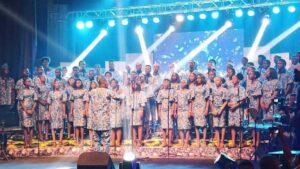
That choir culture also made hymns adaptable: orchestral versions, call-and-response arrangements, and harmonized choir anthems became common, allowing hymns to thrive in both formal liturgies and exuberant worship nights.
Hymns Meet Modernity
The arrival of recording technology, radio broadcasts, and later television gave hymns an even wider platform. Large-scale events like the Akwa Ibom Christmas Carols Festival which set a Guinness World Record in 2014 for the largest gathering of carol singers show how hymn-singing moved from the parish to the public square, often attracting tens of thousands of participants.
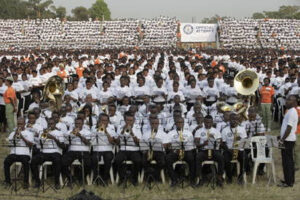
Church-backed music ministries also began publishing indigenous hymnals, arranging choral editions and sponsoring hymn concerts.
Influence on AfroGospel and Worship Trends
Even as AfroGospel, contemporary worship, and modern praise bands have become prominent, hymns haven’t vanished. Hymn lines appear in worship medleys, and hymn tunes anchor moments of solemnity during communion or funerals in otherwise contemporary services. Educationally, hymns still appear in school assemblies and music curricula, continuing their role as both devotional and cultural repertoire.