
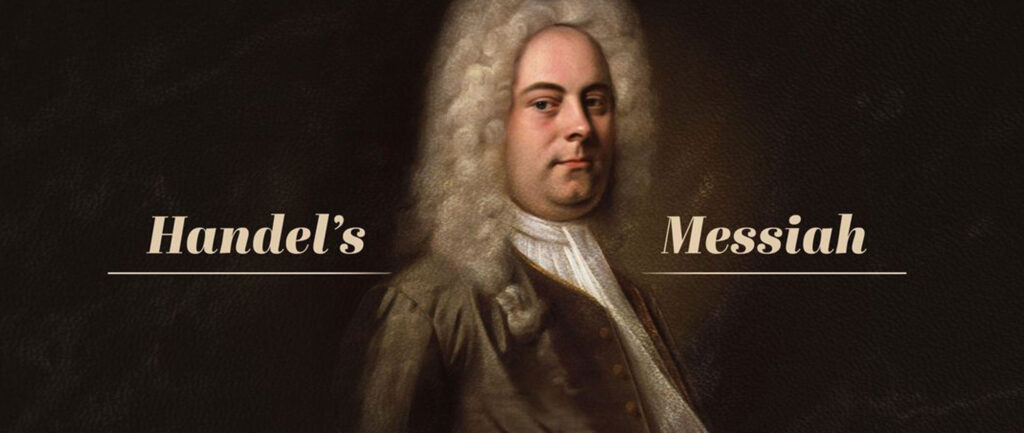
There are certain musical pieces that seem to live beyond their time, and “Messiah” is definitely one of them. Even if you don’t immediately recognize the title, chances are you’ve heard the famous “Hallelujah” chorus at some point.
Composed by George Frideric Handel in 1741, Messiah is one of the most celebrated works in classical music history.
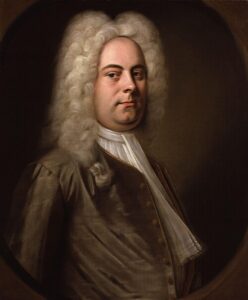
Interestingly, it was not originally written as a Christmas piece, as many people assume today. Its first performance took place in Dublin on April 13, 1742, during the Easter season.
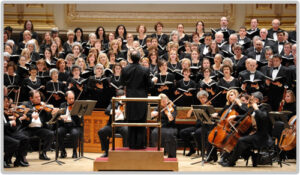
What makes Messiah so unique is that it is an oratorio which is a large musical composition for choir, soloists, and orchestra that tells a sacred story, but without costumes, acting, or stage drama like an opera.
Rather than telling the life of Jesus in a straightforward narrative, the work reflects on the message of Christ through Scripture. The text was carefully put together by Charles Jennens using passages from the Bible, especially the books of Isaiah, Luke, Corinthians, and Revelation.
The piece is divided into three parts.
The first part focuses on the prophecy of the Messiah and the birth of Christ. This is where some of the most familiar lines come from, such as “For unto us a child is born.”
The second part moves into the suffering, death, resurrection, and exaltation of Christ. It ends with the iconic “Hallelujah” chorus, which is perhaps the most recognized choral piece in the world. Then the final part centers on the promise of resurrection and eternal life, ending on a triumphant note of hope and victory.
One of the most fascinating things about Messiah is how quickly Handel wrote it. Historical accounts suggest he completed the work in just about 24 days, which is astonishing considering its scale and brilliance.
Over the centuries, “Messiah” has become a major tradition in churches, concert halls, and choirs across the world. Though it began as an Easter work, it is also associated with Christmas, especially because of its themes of prophecy and Christ’s birth.
What keeps it timeless is not just its music, but its message of hope, redemption, and the victory of light over darkness.
Even today, nearly three centuries later, Handel’s Messiah continues to move audiences, proving that great music truly transcends generations.