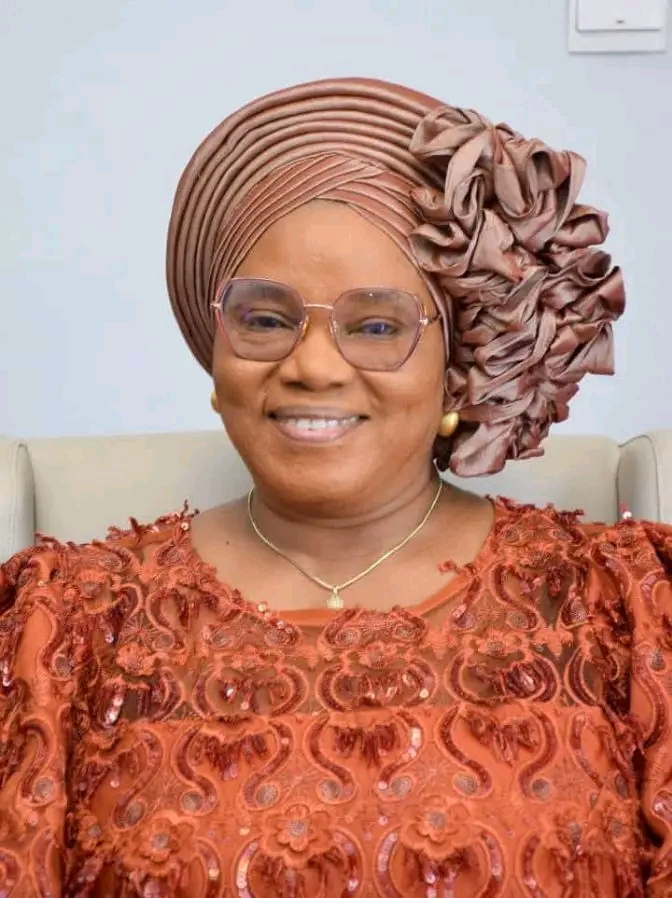
If you’ve just read our previous article, then you probably discovered that Mummy Toun Soetan was behind many of the gospel songs we’ve sung in churches for years.
But who exactly was the woman behind those timeless choruses.
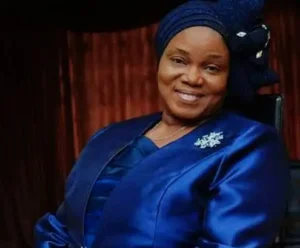
Long before she became known as one of Nigeria’s pioneering gospel music ministers, Mummy Toun Soetan was born into a Muslim family and grew up in the Beere area of Ibadan. In a 2019 interview, she shared that her father had 28 children and that she was originally known by her Muslim name before her life took a completely different direction.
Everything changed in 1974.
While attending a three-day revival meeting at Oritamefa Baptist Church in Ibadan, she encountered Christ and gave her life to Him. That decision would shape the rest of her life and ministry.
Before becoming a full-time gospel minister, she spent 16 years working as a teacher. Even after her music ministry grew, her passion for education never disappeared. Alongside her husband, Deacon Titus Soetan, she became involved with Pathfinder College, continuing to invest in young people both inside and outside the classroom.
Her music ministry stretched across more than four decades, but what made it unique wasn’t just the number of songs she wrote. It was the foundation they were built on.
Mummy Toun Soetan once explained that her songs were not merely lyrics but scriptural passages she received through prayer and the Word of God.
She also believed her calling went beyond singing. Through Trinity World Evangelical Ministry and the Trinity School of Worship, she trained gospel musicians and worship leaders, helping raise a new generation of ministers who would carry the message forward.
Beyond music, Mummy Toun Soetan’s ministry extended into Christian films. Many people will remember her from the classic Mount Zion movie The Haunting Shadows, where she played one of the major characters.
When news of her passing in March 2026 broke, tributes poured in from across the gospel music community. Many remembered her not only as a gifted songwriter but as a teacher, mentor, and worshipper whose influence reached far beyond the stage.
Perhaps that’s the best way to remember Mummy Toun Soetan.
Not simply as the woman who wrote songs we still sing.
But as someone who faithfully pointed people to Christ through music, Scripture, teaching, and a life devoted to ministry.
And every time one of those familiar choruses is sung in a church somewhere, her legacy continues.