If you’ve spent enough time in a Nigerian church, there’s a good chance you’ve danced to a Joyous Celebration song without even knowing it.
Maybe it was “Tambira Yehova.” Maybe it was “My God Is Good” with its unforgettable “Everything na double double” chorus. Whatever the song was, one thing is certain: Joyous Celebration has left a lasting mark on worship across Africa, including Nigeria.
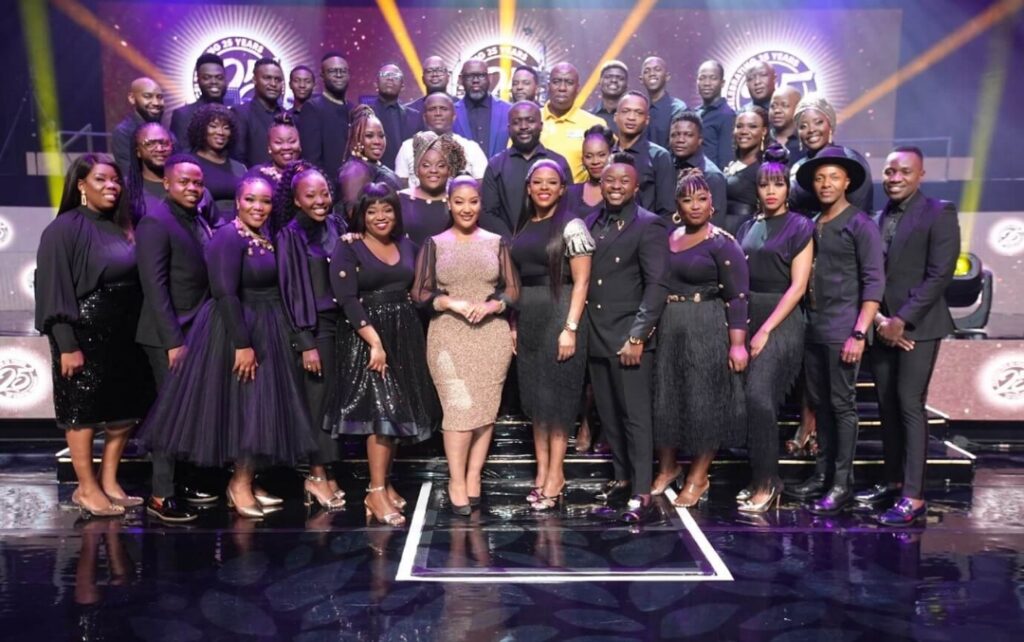
The story of Joyous Celebration began in South Africa in 1994 when music producers and gospel ministers Lindelani Mkhize, Jabu Hlongwane, and Mthunzi Namba came together with a vision that was bigger than starting another choir. They wanted to create a platform that would discover, mentor, and showcase gifted gospel singers while celebrating God’s faithfulness in a country emerging from apartheid. What was originally intended as a one-off recording project quickly grew into one of the most influential gospel ensembles on the continent.

Over the years, Joyous Celebration has become known for its powerful live recordings, rich harmonies, energetic praise, and worship that blends contemporary gospel with traditional African sounds. Rather than building around a single lead singer, the group has introduced dozens of talented vocalists who later went on to successful solo ministries, making it one of Africa’s greatest platforms for developing gospel talent.
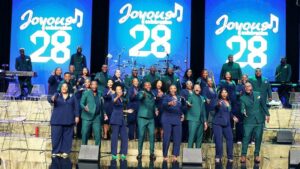
For many Nigerians, one of the most memorable moments in the choir’s history came when Nigerian gospel minister Uche Agu joined the ensemble. His energetic performance of “My God Is Good” on Joyous Celebration 13 quickly became a praise anthem across churches in Africa. With its joyful declaration that “Everything na double double,” the song found a home in countless Nigerian services and remains one of the choir’s most recognisable songs.
Another favourite is “Tambira Yehova,” led by Zimbabwean-born worship leader Mkhululi Bhebhe. Sung in Shona, the title simply means “Dance for the Lord.” The language may have been unfamiliar to many worshippers outside Southern Africa, but the message and joyful spirit crossed borders effortlessly. Before long, the song had become a regular feature in praise sessions far beyond Zimbabwe and South Africa—including many churches in Nigeria.
Perhaps that’s the beauty of Joyous Celebration. Their music reminds us that worship doesn’t stop at national borders. Whether the lyrics are in English, Zulu, Shona or another African language, believers across the continent continue to sing to the same God.
More than three decades after it began, Joyous Celebration remains more than a choir. It is one of Africa’s greatest gospel institutions.