
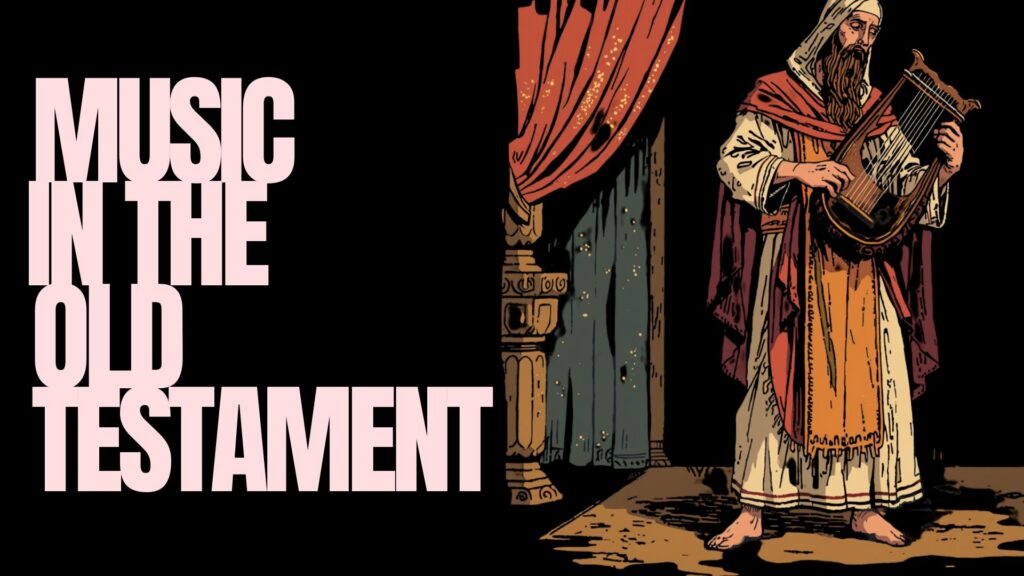
When most people think about worship leaders, they picture someone on stage with a guitar leading a congregation in song. But the biblical model for worship leadership goes much deeper and the standards were much higher than what we often see today.
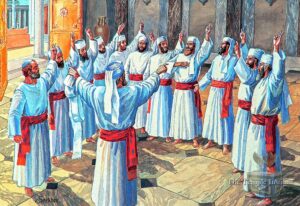
The Levites had particular duties in setting up and taking down the tabernacle, preparing it for transport, and actually carrying the ark and other things. They were responsible for the care and maintenance of the Tabernacle, handling everything from curtains and coverings to sacred objects.
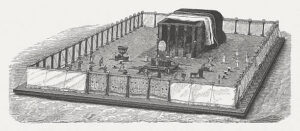
In other words, worship leaders were also laborers. They weren’t just performers who showed up for the “show.” They were invested in every aspect of maintaining the house of God.
The Professional Standard
By the time of King David, worship music in Israel had become highly organized and professional. David and the captains of the army separated for the service some of the sons of Asaph, of Heman, and of Jeduthun, who should prophesy with harps, stringed instruments, and cymbals.
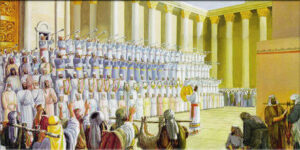
The standards were exacting. The choir consisted of a minimum of twelve adult male singers who served between the ages of thirty and fifty, and rabbinical sources report that the musical training of a Levitical singer took at least five years. Five years of training before you could lead worship. Think about that next time someone complains about rehearsal.
More Than Musicians
What set the Levitical musicians apart wasn’t just their musical ability. “These are the men whom David put in charge of the service of song in the house of the Lord, after the ark rested there. They ministered with song before the tabernacle of the tent of meeting” (1 Chr.6:31-32).
The Levites’ ministry of music entailed considerable preparation, because “David left Asaph and his brethren there before the ark of the covenant of the Lord to minister continually before the ark as each day required” (1 Chr.16:37).
The Three Families
David organized the musicians into three main divisions under Asaph, Heman, and Jeduthun. The king personally appointed these three as chief musicians who oversaw different aspects of tabernacle worship, and their leadership ensured continuity and excellence in worship practices.
Each had their specialty and their sphere of influence. Asaph is credited with Psalm 50 and Psalms 73-83. Heman may have written Psalm 88. Jeduthun’s name appears in the headings of Psalms 39, 62, and 77.
The Levites remind us that worship leadership is sacred work. It requires dedication, preparation, skill, and above all, a heart that ministers to both God and people. The standards were high because the calling was holy. Maybe it’s time we raised the bar again.