If you have watched enough videos of Dunsin Oyekan ministering, you have probably come across the moment. He is in the middle of a song, and then he decides to take the song somewhere else entirely. He turns to his musicians and says, “Meet me on C.”
And just like that, everyone behind him has to find him there.
It makes for a compelling clip because you can almost feel the weight of that moment on the musicians. The worship leader has changed direction in real time and everyone has to understand, adjust, and respond.
But look past the spontaneity and you will find something worth paying attention to: musical understanding. That moment only works because everyone in the room speaks the same musical language.
That is exactly why gospel artists should take their musical development seriously.
You Don’t Need to Be a Music Theorist
Nobody is saying every worship leader needs to master music theory or play every instrument in the band. You don’t need to read complicated scores or memorize the name of every chord progression you hear.
But if you are going to stand in front of people and lead them in music, you owe it to them, and to God to understand what you are doing.

At minimum, you should know the key that suits your voice, understand basic timing and harmony, identify the different sections of a song, and communicate clearly with the musicians behind you. These are not advanced skills. They are the basics of musical literacy and they make an enormous difference in the quality of what you deliver.
Listen With Intention
One of the most accessible ways to develop musically is simply to listen. Not just to your own songs or the worship set you’ve been asked to lead on Sunday. Listen to other singers, instrumentalists, and producers. Pay attention to how they construct their music. Instead of simply thinking “this sounds good,” ask yourself why it sounds good.
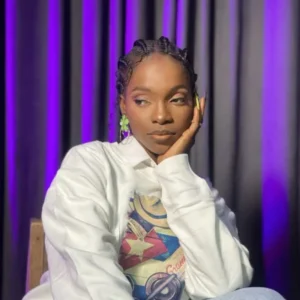
AfroGospel artist Love Abolade spoke about growing up in a home where both her parents led church choirs and sang professionally as part of a live band. From a young age, she was immersed in singers, harmonies, rehearsals, and live musicians and that exposure shaped her musical instincts before she even realized it was happening.
You can build that kind of exposure intentionally. Pay attention during rehearsals. Ask your instrumentalists questions. Learn from people with more experience. And if you ever get the opportunity to learn an instrument, take it.
Spirituality and Preparation Are Not Competing Priorities
A Gospel artist can depend on the Holy Spirit and still rehearse properly. You can pray before you minister and still study your songs thoroughly.
Musical knowledge is not a substitute for spiritual depth. And spiritual passion is not a substitute for musical ability. Both deserve your attention. Both serve the ministry.
Start Where You Are
If you are a music minister who wants to grow, you don’t need to overhaul everything at once. Start where you are.
You may never become the most technically gifted musician in the room. You don’t have to be. But you can become better than you are today. And if music is part of the work God has called you to, that pursuit of excellence is not optional.