
Welcome back! In Part 1, we covered the basics on how to hold the mic, the right distance, and why you should stop breathing like Darth Vader. Now let’s dive into the stuff that separates good singers from great ones: preventing feedback, staying healthy, and working with your sound team.
Stop the Feedback Before It Starts
That horrible screeching sound? That’s feedback, and it happens when sound from the speakers gets picked up by the microphone and loops back through the system.
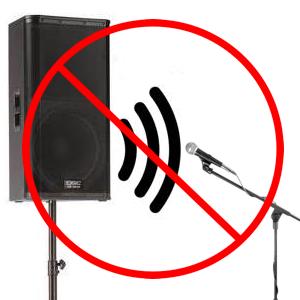
Here’s how to prevent it: Don’t point the mic at the monitors or speakers. Don’t cup the microphone covering the grille changes how the mic picks up sound and can cause feedback. And stay in position. If the sound engineer set everything up during soundcheck and you suddenly move to a different spot on stage, you might trigger feedback.
If feedback does happen, don’t panic. Just adjust your position or the angle of the mic, and let the sound engineer fix the levels.
Respect the Sound Engineer’s Job
The sound engineer is not your enemy. They’re actually trying to make you sound amazing.
Don’t try to overcompensate for what you think is low volume by shouting or straining your voice. If you can’t hear yourself well, the issue is usually with the monitor levels and not your technique. Let the engineer handle the technical stuff.

During soundcheck, sing at the same volume you’ll use during the actual service. If you do a quiet soundcheck and then belt during the service, the levels will be all wrong. Give them an honest representation of your voice so they can set things up properly.
Microphone Hygiene Is Not Optional
Let’s talk about something nobody wants to address: microphones are basically germ magnets.
Think about it. The mic is right up against your mouth. Saliva, breath, lipstick—it all ends up on that grille. And if you’re sharing mics with other singers (which most churches do), you’re essentially sharing germs with everyone who’s used that mic.
If you’re a regular singer or minister, consider investing in your own personal microphone. Yes, it’s an expense, but it’s an investment in your health. Plus, you’ll always know what you’re working with.
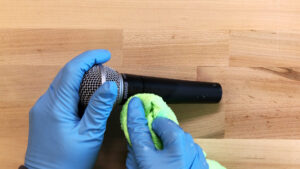
If you’re using shared mics, make sure your church has a cleaning routine. Most handheld mics have a removable grille that can be unscrewed, cleaned with 70% isopropyl alcohol, and dried before being put back. Churches should be doing this after every service or at least weekly.
Final Thoughts
Microphone etiquette might seem like a small thing, but it’s very important. When you handle the mic properly, your voice sounds clearer, the sound engineer’s job becomes easier, and the congregation can actually focus on the message.
So next time you step up to sing, hold that mic with confidence. Keep it close, angle it right, and let your voice shine through. The congregation will thank you for it.