AfroGospel feels like such a natural part of today’s music culture that it’s easy to forget how recent the genre actually is. Today, AfroGospel fills concert halls, dominates playlists, trends on TikTok, and travels far beyond Africa.
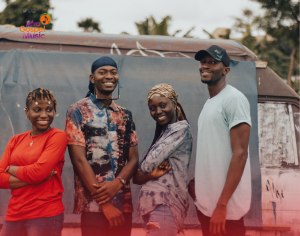
But AfroGospel did not appear overnight. The sound evolved gradually, shaped by church culture, African beats, and a generation of believers who wanted music that sounded like home while still carrying the message of the gospel.
At its core, that is what AfroGospel has always been: a meeting point between culture and the Gospel.
Long before the term “AfroGospel” became popular, Nigerian churches already had a strong musical culture. Hymns, choruses, choir ministrations, and traditional praise songs shaped how people worshipped. Instruments like the talking drum, shekere, and local percussion were already present in many churches, especially during praise sessions.
Over time, contemporary gospel music began to grow through artists like Panam Percy Paul, Sammie Okposo, Midnight Crew, Bouqui, Kenny K’ore, Buchi and many more who each introduced new styles and modern production into gospel music while still maintaining strong Christian messaging.
As the songs spread, Gospel music was gradually extending beyond just the walls of the church. As months progressed and Nigerian music started to gain global attention in the 2010s, younger gospel artists started asking an important question:
Why should gospel music sound be disconnected from our indigenous culture?
Read: Pioneers of AfroGospel: Kenny Saint Brown
That question changed everything.
Artists began blending Afrobeats, hip-hop, amapiano, drill, and street-inspired production with gospel-centered lyrics and messages. Suddenly, gospel music felt more accessible to a younger audience without losing its spiritual foundation.

Artists like Limoblaze, Gaise Baba, Greatman Takit, Moses Bliss, Gaise Baba, Prinx Emmanuel and many more helped shape the sound into what it is today, each bringing their own style and expression into the movement.
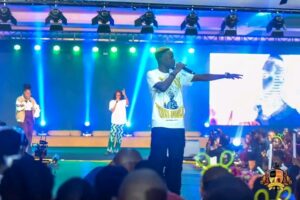
Social media also played a massive role. Unlike previous generations that relied heavily on radio or television, AfroGospel grew through YouTube covers, TikTok clips, Instagram reels, dance challenges etc. A song could move from a church rehearsal to thousands of people’s phones within hours. That accessibility helped AfroGospel become a fundamental part of our communities.

Of course, conversations around balance still exist. How much “Afro” is too much? Are we protecting the “gospel” enough? Those discussions continue because people genuinely care about the direction of the movement.
But one thing is undeniable:
AfroGospel has created a space where young believers can worship, celebrate, and express their faith in a language and sound that feels authentic to them.
And in many ways, that is the beauty of the movement.
So share with us, when did you first discover AfroGospel?
And what song made you fall in love with the genre?